How to Choose Snorkel fins for a Comfortable and Carefree Snorkeling Trip
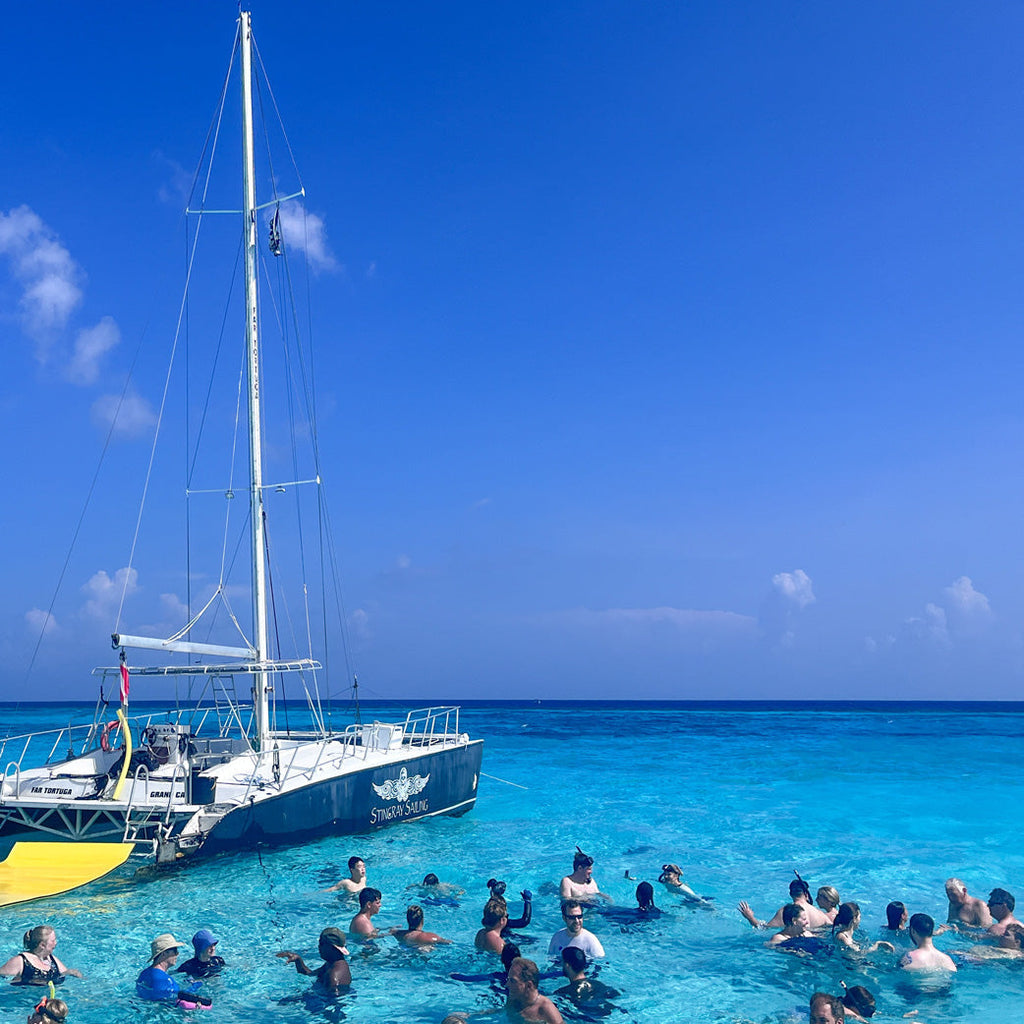
Wide varieties of marine life in the captivating blue water piqued our curiosity, compelling us to discover every inch of the ocean. Snorkeling, as one of the easiest and most popular ways to get in touch with the ocean, is always a hit among ocean travel enthusiasts.

All ages can enjoy the peaceful and effortlessly relaxed marine pastime of snorkeling, which is best done in shallow seas and places with a number of marine life. Based on yearly participation data from the Sports & Fitness Industry Association (SFIA) in 2025, an anticipated 7.5 million Americans chose to go snorkeling when traveling in the U.S. Source: Socio-Demographic Profile of a Snorkeler & Snorkeling Participation Rate - Business of Diving Institute

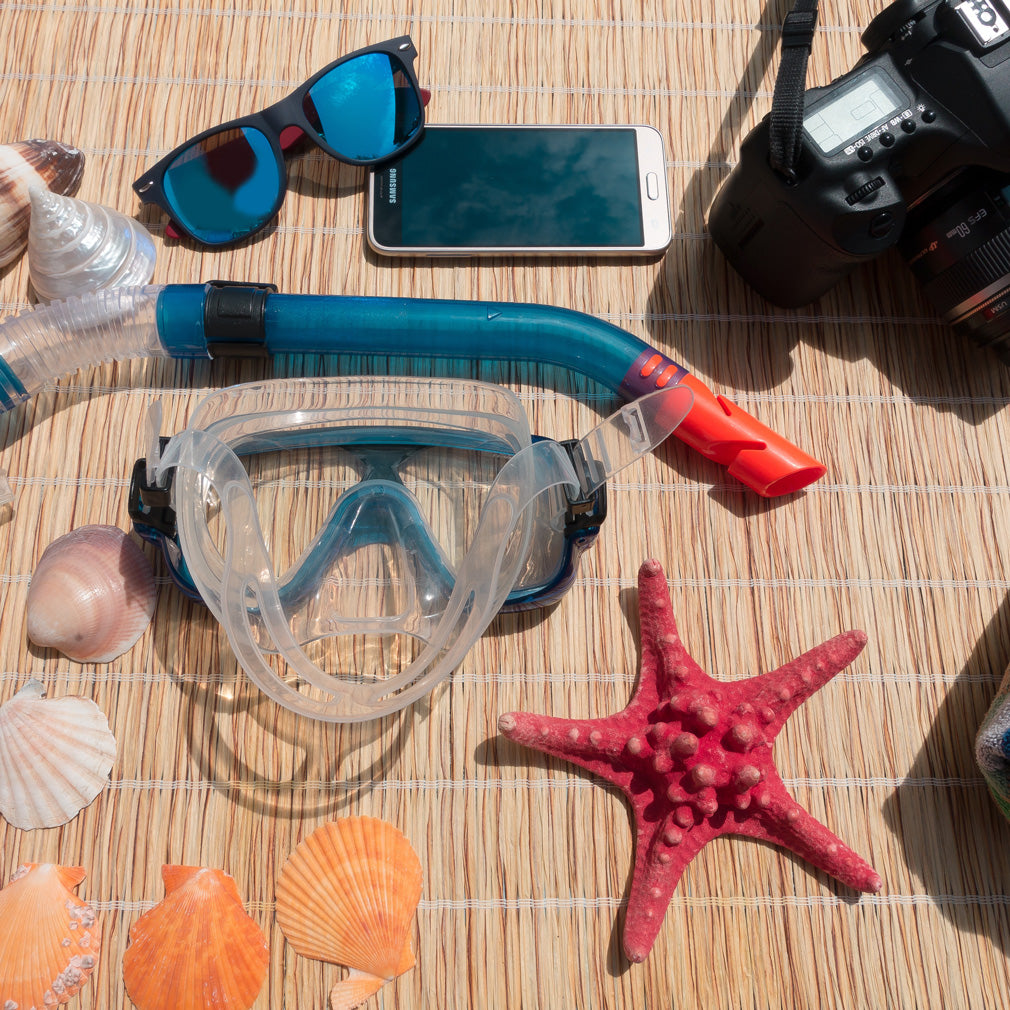
During a snorkeling session, the sensation of brilliant sunlight and refreshing seawater surrounds the body, bringing you complete relaxation. When you look beneath the surface, a crystal-clear underwater world opens before your eyes like a hidden treasure, revealing a stunning display of colorful marine life. To ensure a fantastic ocean excursion, suitable preparation is required, including a decent set of goggles for clear eyesight, a snorkel for breathing, and fins for safe, stable, and efficient movement.

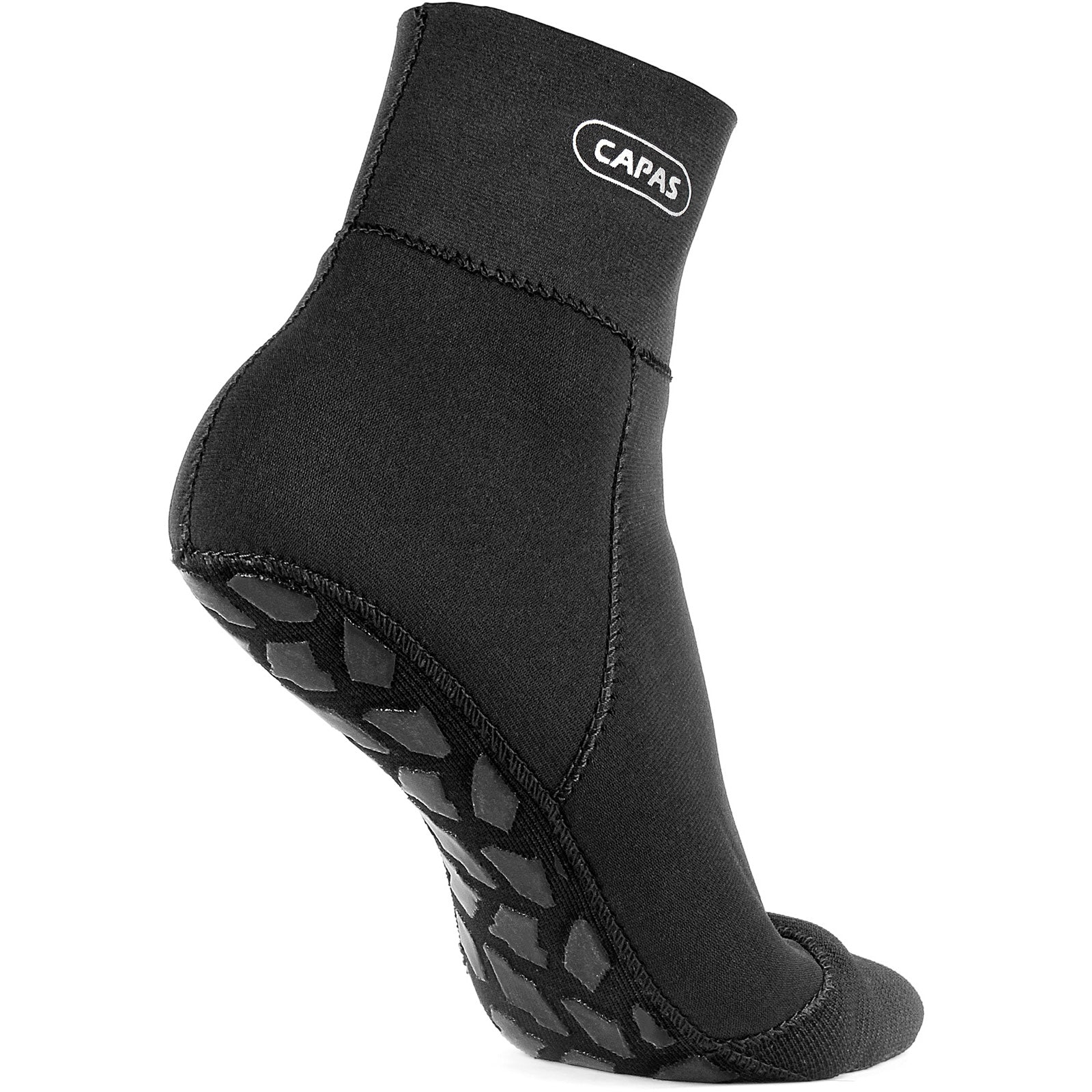
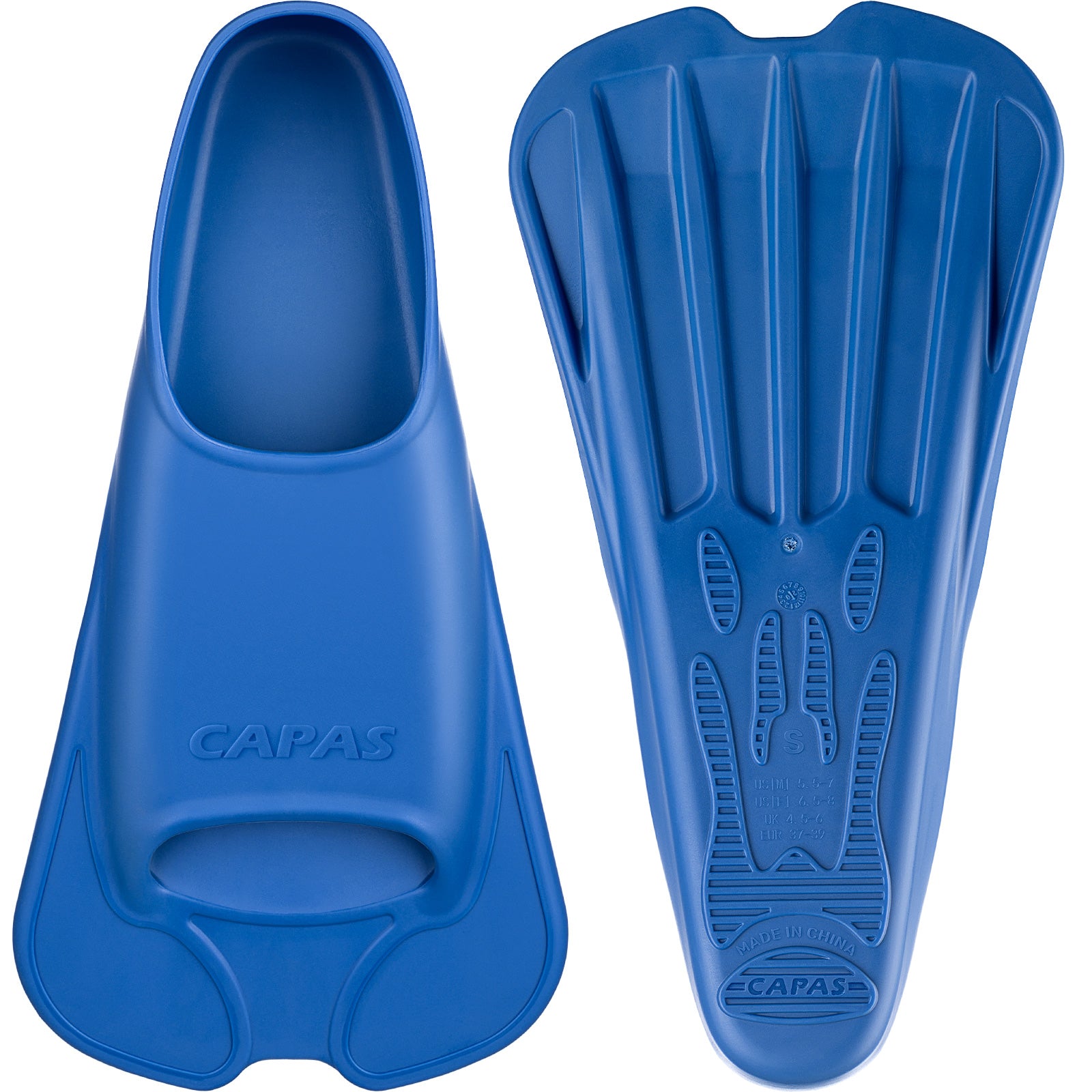
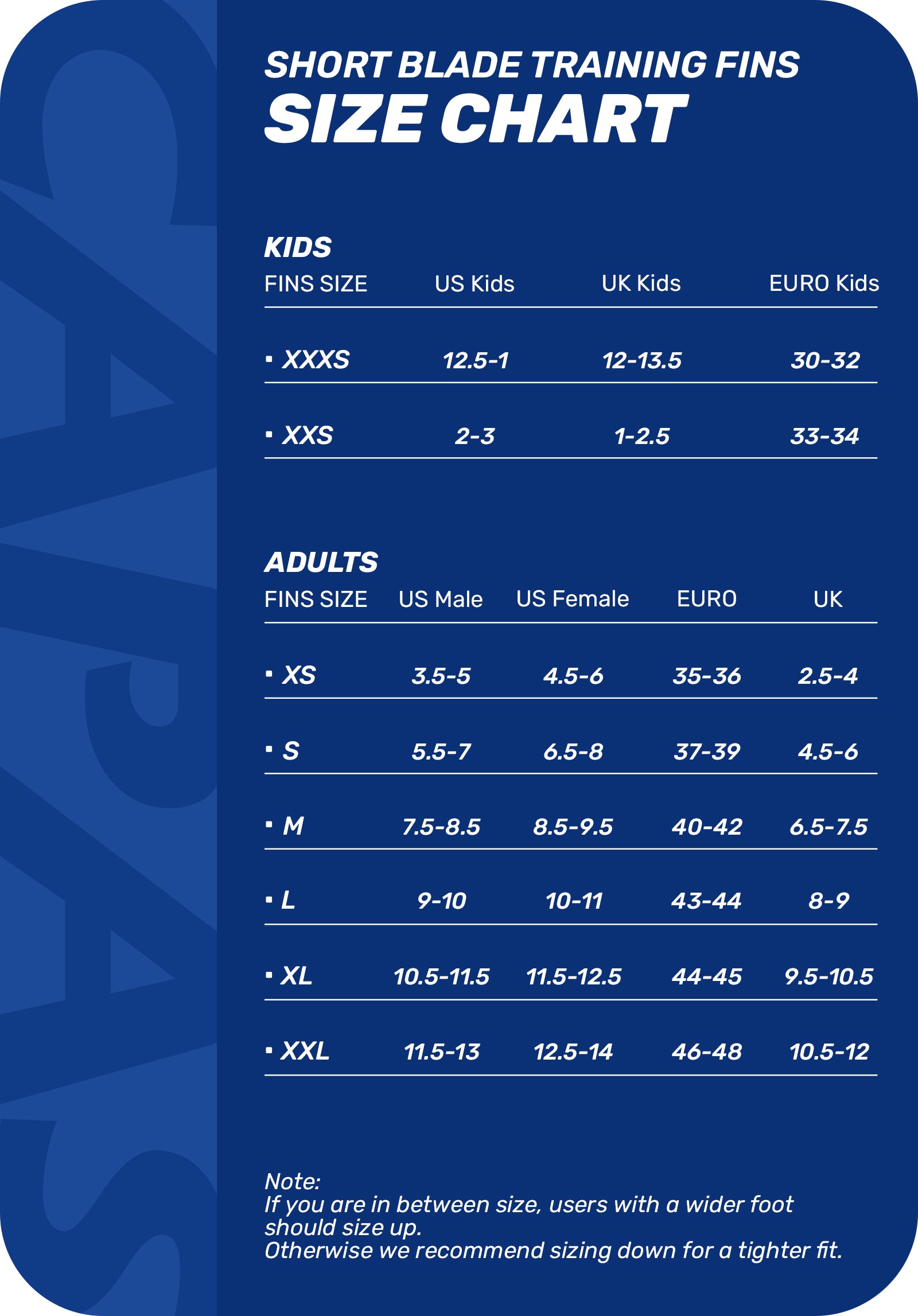
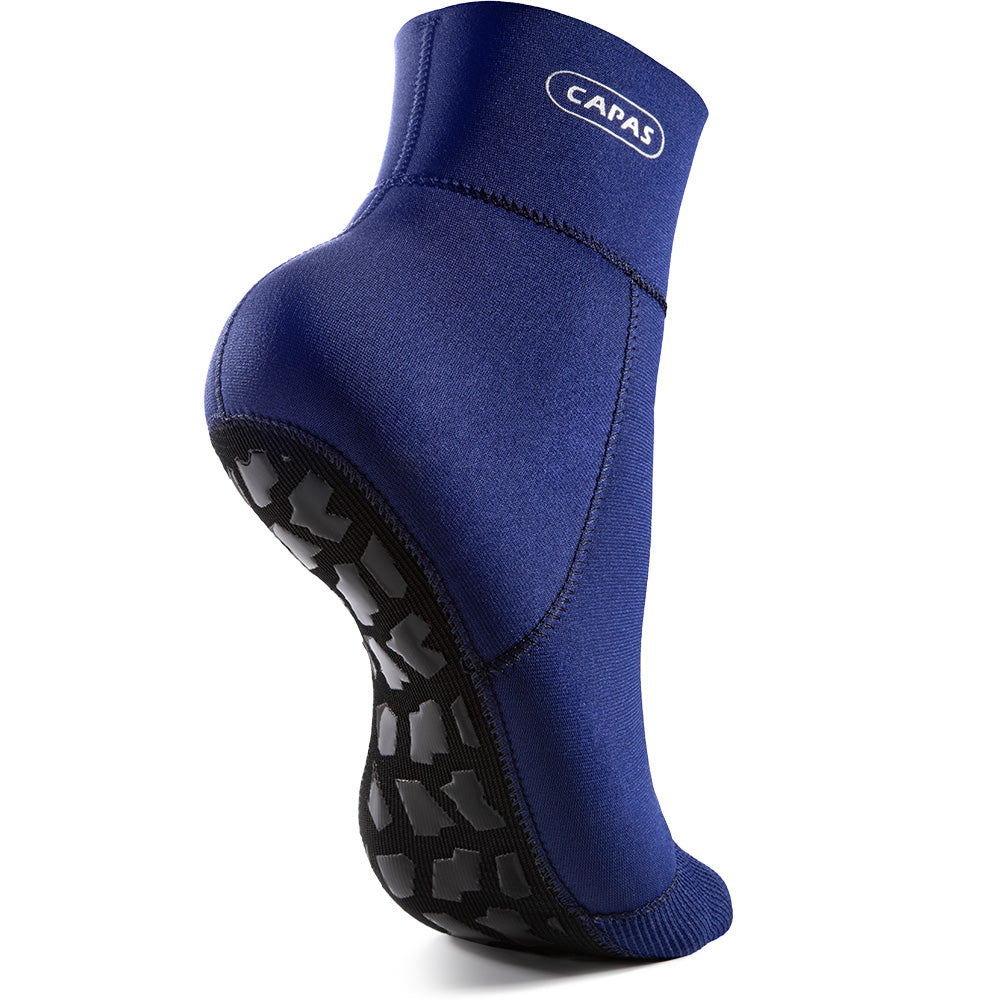
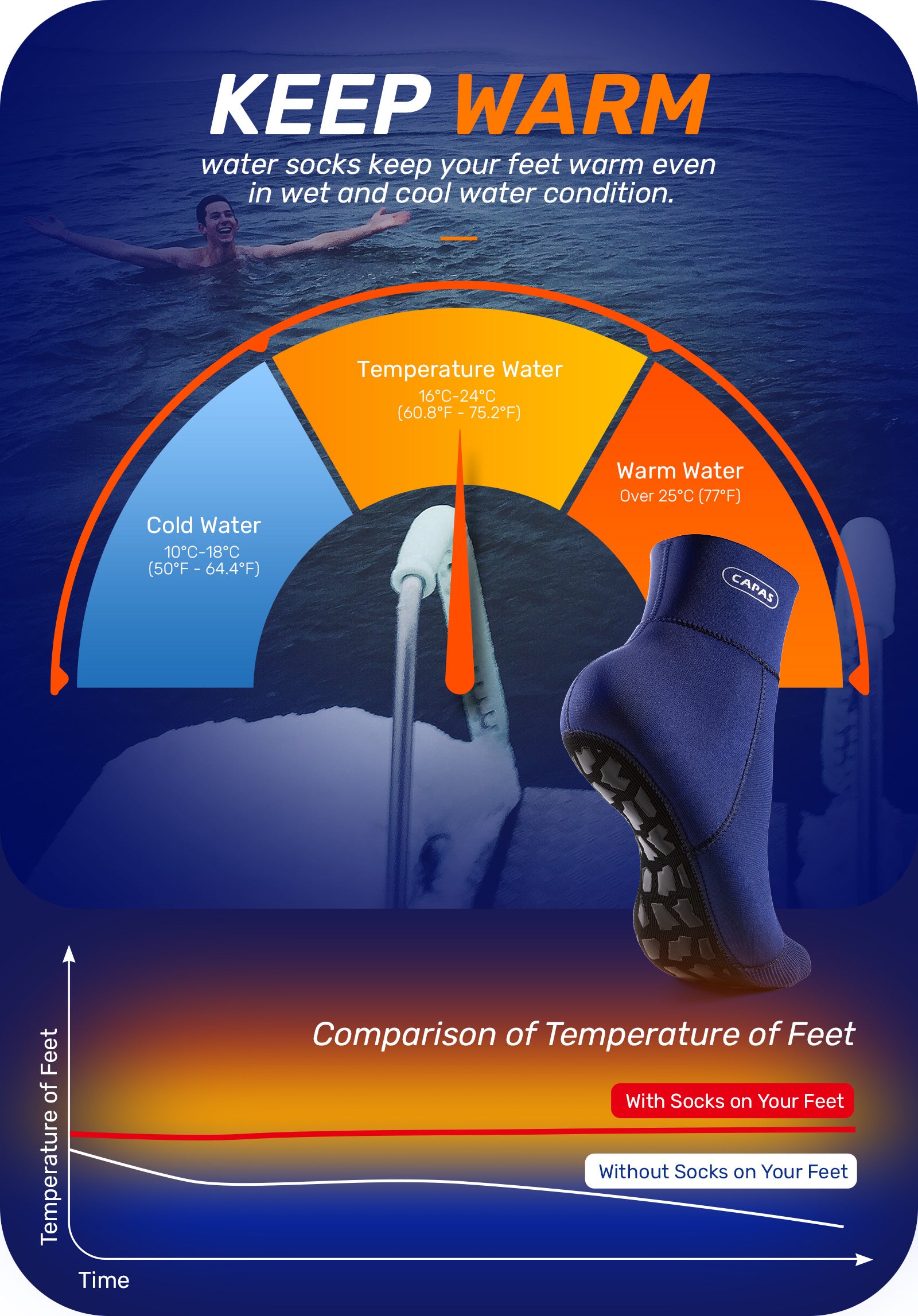
In swimming, two types of fins are commonly used: open-heel and closed-heel (full-foot). Closed heel fins provide a secure, sleek fit that feels like an extension of your foot. Getting the appropriate size is critical—too tight, and you'll get painful blisters; too loose, and you'll lose power with each kick. They are incompatible with thick booties due to their size.Open-Heel Fins are always equipped with an adjustable strap, which provides for a highly adaptable and secure fit while fitting various foot volumes and instep heights. You can also tighten or loosen them as needed. They are suitable with neoprene booties/socks (thanks to their adjustable feature), shielding your feet from the fin's foot pocket while also providing insulation and letting you to walk easily across rocky shore entrances.
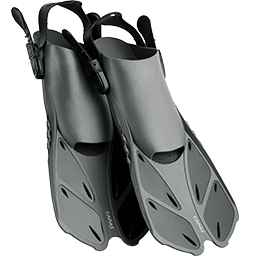
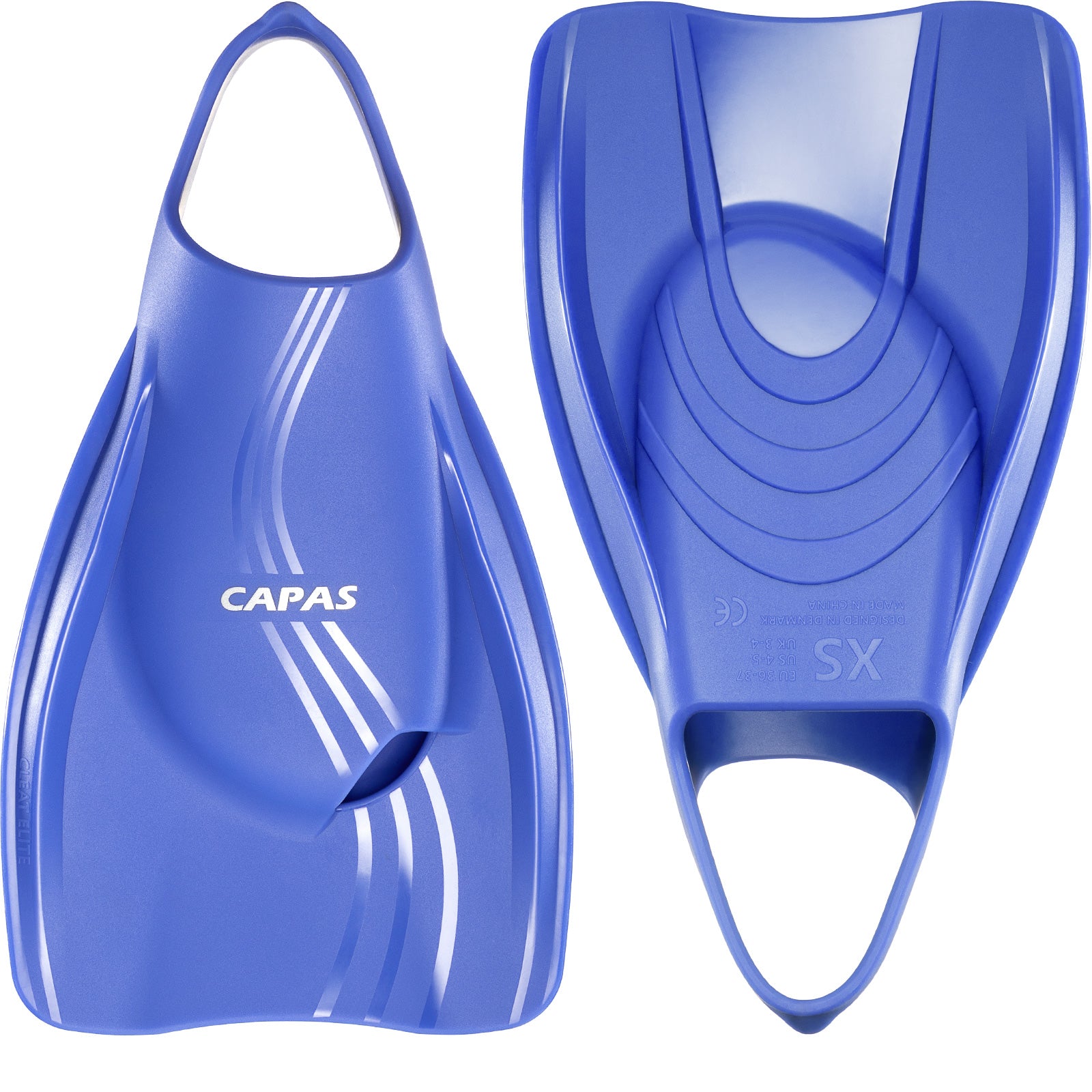
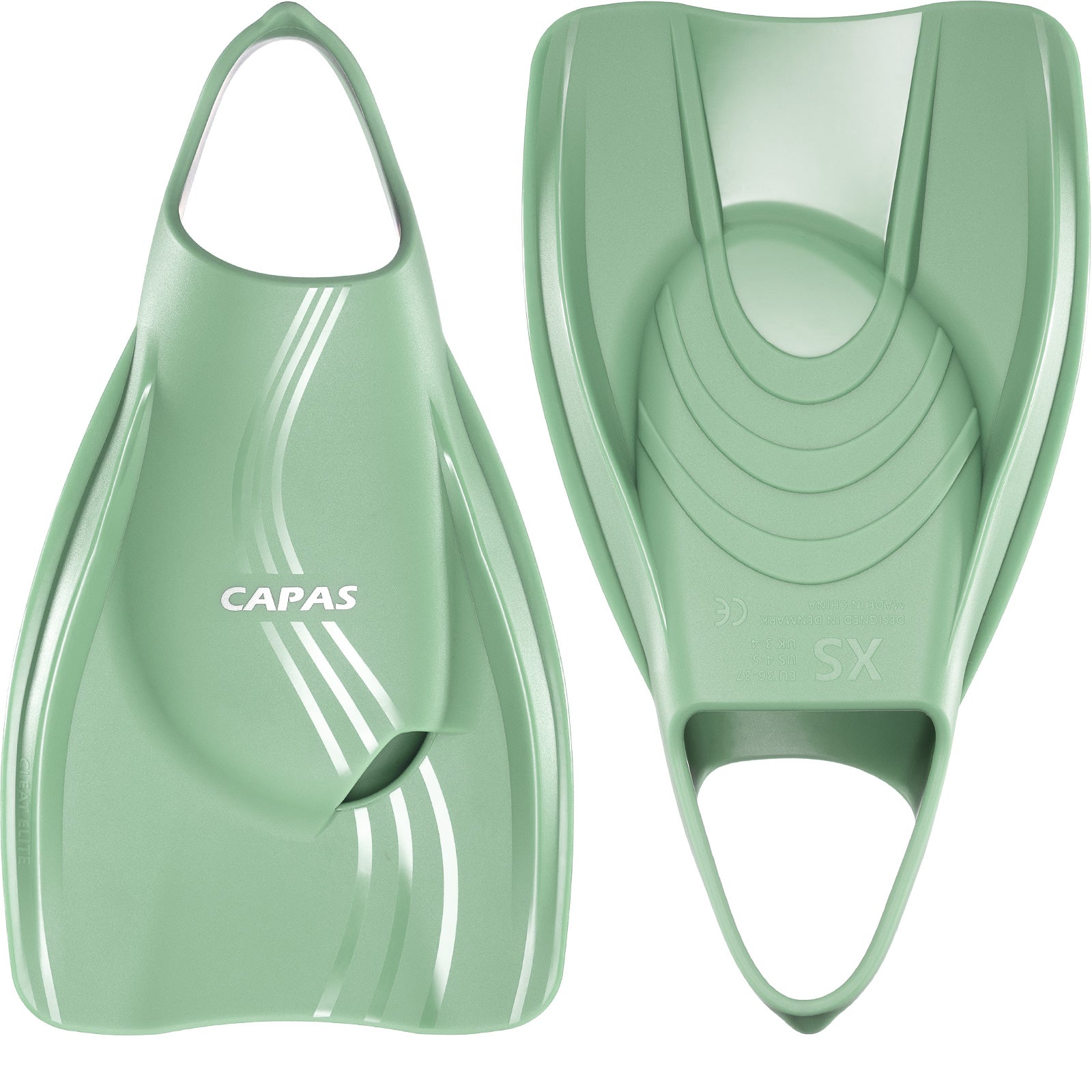
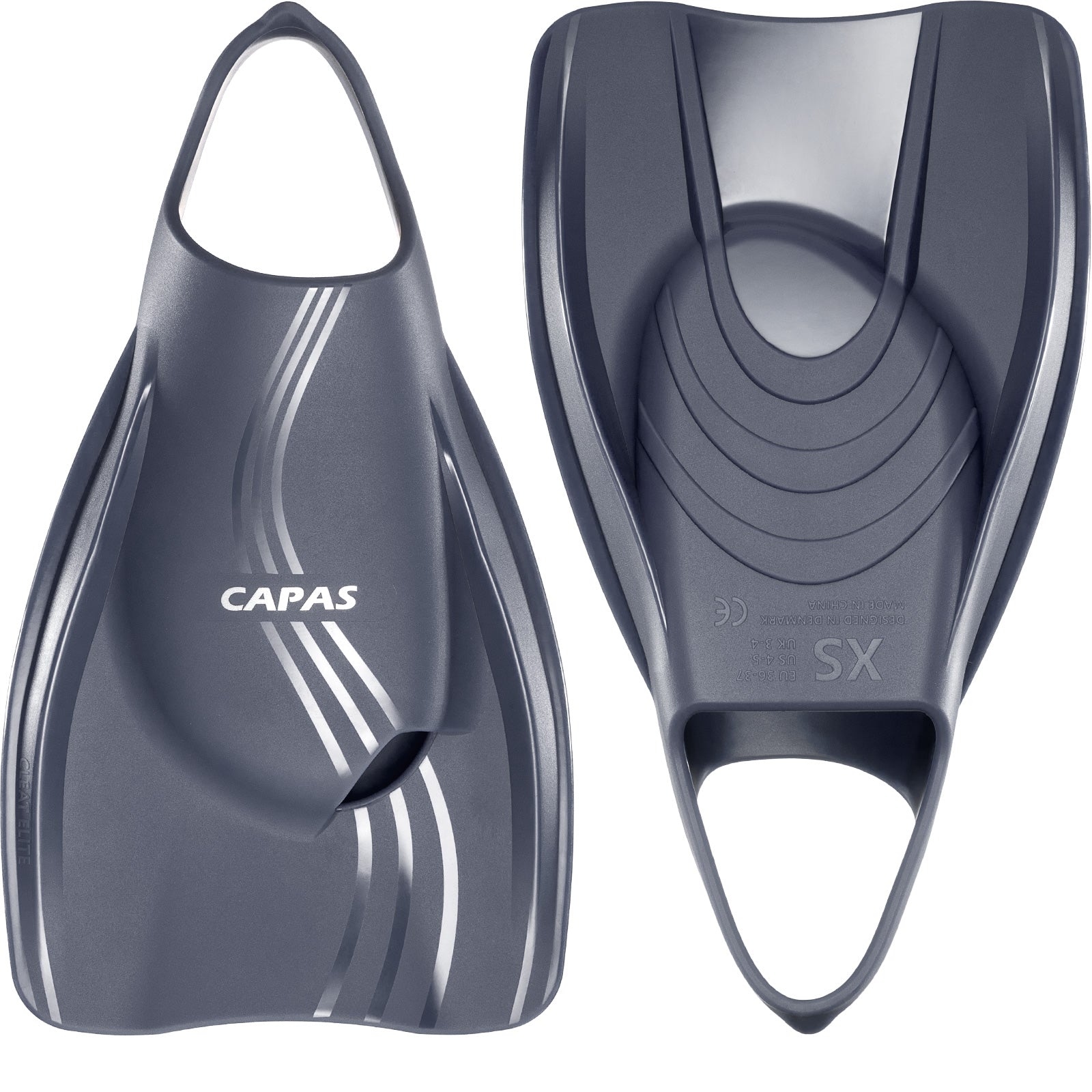
This page, however, focuses on open-heel fins, which have a little more intricate structure consisting of three primary components: the front blade, the mid-section foot pocket and the back strap. Using the CAPAS travel fin structure as a guide, we will dissect these elements. This is a synopsis based on years of product research and real-world experience rather than an advertising campaign for CAPAS. Additionally, we will refrain from utilizing the term "CAPAS travel fins" excessively throughout the piece.
1. The Blade
The most beneficial component for forward propulsion is the front blade. Fins‘ blades can be divided into short, medium, and long blades according to snorkelers’ requirements. Longer blades always bring more thrust and in this case, long-blade fins seem to be the greatest option based on this reasoning. However, in order to have a more comfortable and pleasurable snorkeling experience, it's crucial to realize that longer blades:

*Require more leg strength, which means more muscular exertion. Prolonged energy expenditure in seawater lower than body temperature can cause extreme weariness, shortening your trip.
*May be too long to fit in a suitcase or take up excessive packing space, causing travel inconvenience.
*Provide great propulsion, which makes it challenging to take in the underwater surroundings at a leisurely pace because a single kick can drive you far.
Consequently, short-blade fins are a preferable option because:
*They don't take up much space and can easily fit into regular travel bags.
*They offer sufficient power while preserving energy, enabling a calm and mild snorkeling experience.
*Snorkeling is often a slow-paced hobby on calm waters, with short fins providing adequate propulsion to keep us moving slowly forward.
2. The Foot Pocket and Sole
The soft substance that encircles the top, sides, and toes of the foot is called the foot pocket. Like a shoe's design, its main purposes are:
*Protection-A fully enclosed foot compartment protects the foot from unintentional damage when going through water.

*Comfort- It keeps skin from chafing during swimming. Long-term submersion weakens the skin since seawater has a salinity of about 3.5%. Soft and skin-friendly foot pockets are therefore essential.

The foot pocket also needs to be resilient that guarantees that the power produced by your legs is efficiently transferred to the fins. Finding the ideal ratio of robustness to softness is difficult for most manufacturers. But we have found the answer: by incorporating the fin's sole, which is composed of a dual-layer composite material that offers sturdy, flexible support, the foot pocket avoids being either too rigid (which results in foot abrasions) or too soft (which decreases propulsion).
3. The Heel Strap
The most obvious distinction between open-heel and closed-heel fins is the heel strap, which consists of three parts: the adjustment strap, the buckle, and the heel piece.

*The adjustable strap enables fins that are too tight or too loose to be readily adjusted to fit a variety of foot lengths.
*The buckle enables quick and easy fastening and unfastening, making it effortless to put on or take off fins when entering or exiting the water.
*The heel piece securely and firmly holds the heel when tightened while preserving ankle flexibility—unlike closed-heel fins, which may cause chafing or pressure marks due to sizing mismatches.
Knowing these elements makes it evident how comforting it is to snorkel with a well-made set of fins.
This brings an end to our review of open-heel snorkeling fins. The water is incredibly beautiful, and we have a close bond with it. Numerous marine species exclusively exist in the ocean. Let's keep in mind to conserve the environment, maintain the ecology, stop from harvesting marine flora, and prevent endangering marine life when traveling.
The CAPAS team hopes your trip across the ocean is enjoyable and comfortable for you and your family.
Related post
08
Jan


22
Nov